

















The difference between clearing dead branches and twigs - and how to use it for healthier plants and flowers
Whether you are a gardener or a beginner, regular plant maintenance is an essential part of healthy flowers and shrubs. Sometimes it can be difficult to determine the type of care your plant needs—and now is not the time to do a maintenance. Two of the most common types of manual care are weeding and pruning. Although they may seem similar, these two maintenance methods are different and can occur at different times. Taking a few minutes to clean your plants of dead parts will improve their overall appearance and encourage them to produce more flowers during the growing season.
What is clearing?
It is the process of removing dead or faded flowers and seeds from plants. It is best performed during the fall throughout the spring growing season because it promotes the production of new buds.
Why should you?
Spending time on your plants will immediately improve their appearance—flowers and seed tips are unsightly and waste your plant's precious energy reserve. "Once the seed head is removed, the plant has switched its resources from seed production to flower production," says Jennifer Morganthaler, clinical professor of agriculture at Missouri State University. This means your plant will be encouraged to produce stunning blooms all season long.
How & when to clean a plant?
You'll know it's time to clean your plants when their flowers die or fade. As the flowers fade, simply pinch or cut the flower stem. Follow the part below the flower and cut just above the first set of full, healthy leaves. This can be done for all the dried flowers at once or regularly throughout the season as each flower fades,” she says.
Do all plants need cleaning?
Those that have an abundance of flowers, such as petunias, roses, etc., all respond well to cleaning. However, those that produce only one bloom, such as peonies, will not respond as favorably, nor will plants that distribute their seeds on their own for the next growing season.
Pruning
Unlike pruning, which requires the removal of only the buds, pruning involves the removal of any part of the plant.
What is pruning?
Pruning is a form of routine plant maintenance where foliage and branches are removed. This can be done to shape the plant into a desired style, to clean up the plant by removing diseased or damaged branches and foliage, or to encourage new growth.
Why should you prune your plants?
Similar to pruning, pruning promotes plant growth, the production of fresh flower buds, and overall plant health—and it can also breathe new life into old shrubs and tame unsightly plants. Pruning, in general, is an important part of regular maintenance to keep plants healthy and well maintained. Just like people need a haircut every now and then, so do plants!
How to prune your plants
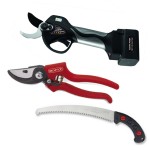
Pruning is very simple. Pruning to thin or shape a plant can be done by cutting stems at the base of the plant or where the stems meet. When pruning to thin out your plants, use sharp shears to remove up to one-third of the stems. However, if you are pruning because the plant is encroaching on the space of surrounding plants in garden beds, simply cut the outer stems to keep the plant in place.
When to Prune Your Plants
Pruning is a simple task that most plants benefit from. In general, a good rule of thumb for most plants is to start pruning after the first appearance of flowers and stop pruning at the end of the plant's growing season. But you should research the plants you're pruning before you grab the shears, as different species benefit from pruning at different times of the year, and some plants will or won't flower based on when they're pruned. The closer you prune perennials to their flowering season, the more likely it is to delay flowering.
Roses, evergreen shrubs such as boxwood and holly, and fruit trees are usually pruned in late winter. In early spring, winter bloomers such as camellias should be pruned. In the spring and during the summer, prune deciduous shrubs and evergreen hedges. At the end of autumn, prune nandina, aucuba and other evergreens.
Related Products

Availability: AVAILABLE

Availability: AVAILABLE


Availability: AVAILABLE
Availability: AVAILABLE


Availability: AVAILABLE